From Fear to Belonging What History Teaches Us About Being Human
Over the last few days I found myself reflecting on history.
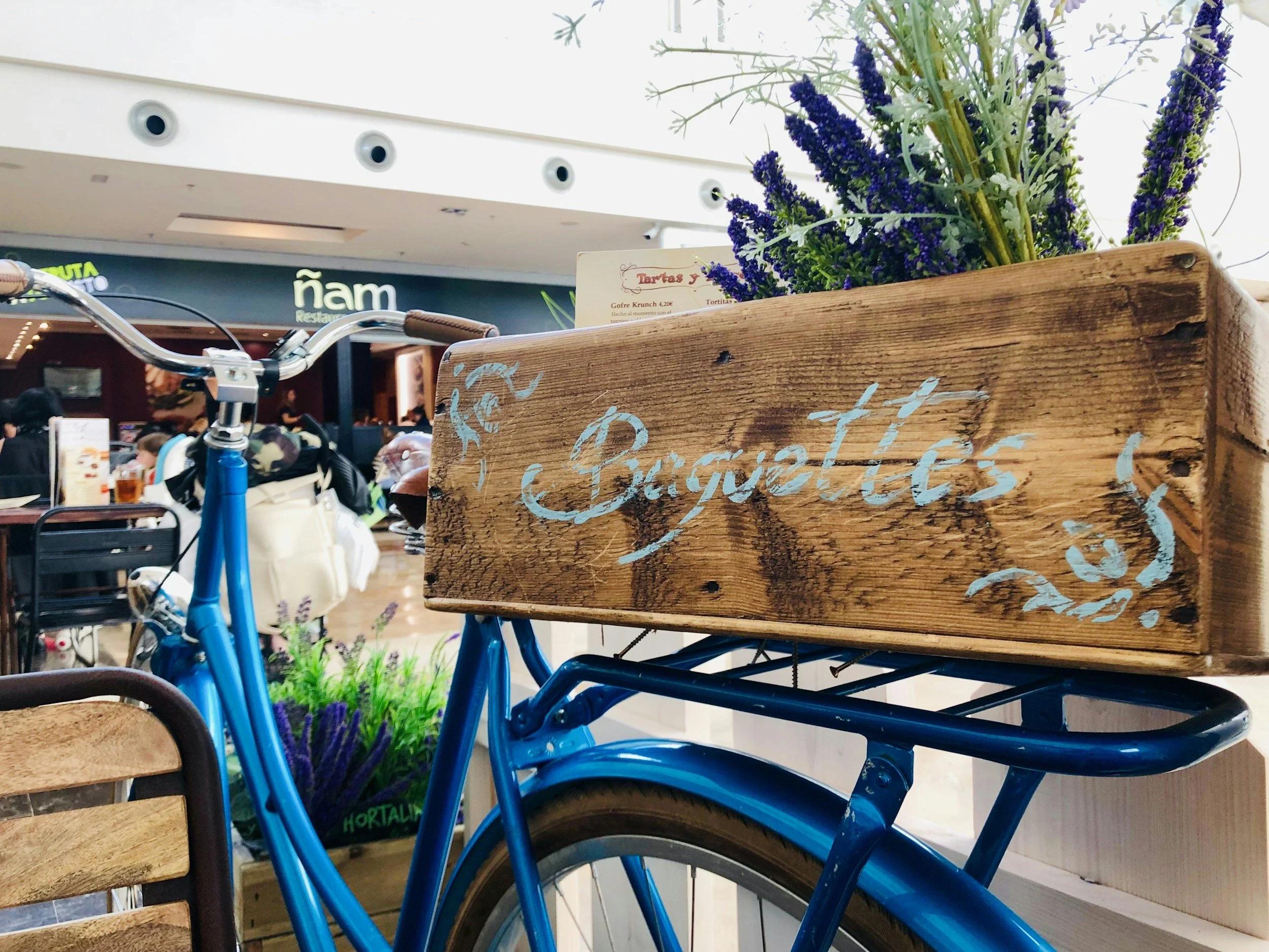
I have been watching La Bicyclette Bleue, a French drama set during the Second World War. As I followed the characters through love, loss, uncertainty and war, I found myself wondering:
Why do human beings keep finding themselves here?
World War I began in 1914.
World War II began only 21 years later.
Less than one generation separated them.
Today, more than eighty years after the end of World War II, Europe is once again experiencing war, while conflict continues across parts of the Middle East and many other regions of the world.
The places, technologies, leaders and circumstances change.
Yet something about the human experience feels strangely familiar.
Looking Beyond Politics
When we think about war, we often focus on nations, governments and political events.
But when I watch history through the lens of ordinary people, I see something else.
I see:
fear,
belonging,
identity,
uncertainty,
loss,
hope,
survival,
love.
The same themes appear again and again.
History may change.
Human beings remain remarkably similar.
The Cycle
When I look back through history, I sometimes notice a pattern.
A period of stability emerges.
A new generation grows up without direct experience of previous conflicts.
Memories fade.
Certainties develop.
Groups become more divided.
Fear increases.
The need for control grows.
A crisis emerges.
Conflict follows.
Then comes loss, trauma, rebuilding and recovery.
Eventually the cycle begins again.
Not because people are bad.
Not because humanity never learns.
But because fear has a powerful influence on how we think and behave.
The Pattern in Everyday Life
What intrigues me is that these patterns do not only appear in nations.
They appear in individuals.
When we feel threatened, stressed or uncertain, we often become more defensive.
More controlling.
More attached to being right.
More fearful of difference.
We become less curious and less compassionate.
At a personal level, the same dynamics that create conflict externally can create conflict internally.
Perhaps this is why understanding ourselves matters so much.
A Different Possibility
Over the last week I have been sitting with one simple sentence:
I belong to this earth just as much as everyone else.
At first it was a reminder to myself.
Then it became something more.
As I looked at strangers walking past me, I found myself thinking:
They belong too.
Something softened.
The need to compare softened.
The need to judge softened.
The need to decide who was more successful, more worthy or more deserving softened.
Perhaps this is the beginning of a different pattern.
Not:
Fear.
Division.
Conflict.
But:
Awareness.
Compassion.
Connection.
The Human Reality
None of this removes conflict.
None of this removes suffering.
None of this guarantees peace.
Life remains uncertain.
History remains complicated.
Human beings remain imperfect.
But perhaps our task is not to create a perfect world.
Perhaps our task is to remain human within an imperfect one.
To meet ourselves with compassion.
To meet others with curiosity.
To remember that everyone is carrying a story we cannot see.
A Small Contribution
I cannot change history.
I cannot stop conflict.
I cannot solve all the uncertainty in the world.
But I can contribute something small.
I can choose awareness over reactivity.
I can choose compassion over judgment.
I can choose connection over separation.
Perhaps meaningful change begins there.
Not in grand gestures.
But in ordinary moments.
One conversation.
One relationship.
One act of understanding.
One reminder that:
We belong to this earth just as much as everyone else.
🌿
Dr Maliheh Taheri
M.A.L.I. Neuro-Somatic Practice
