The Roles We Learn to Play and the Need for Authenticity
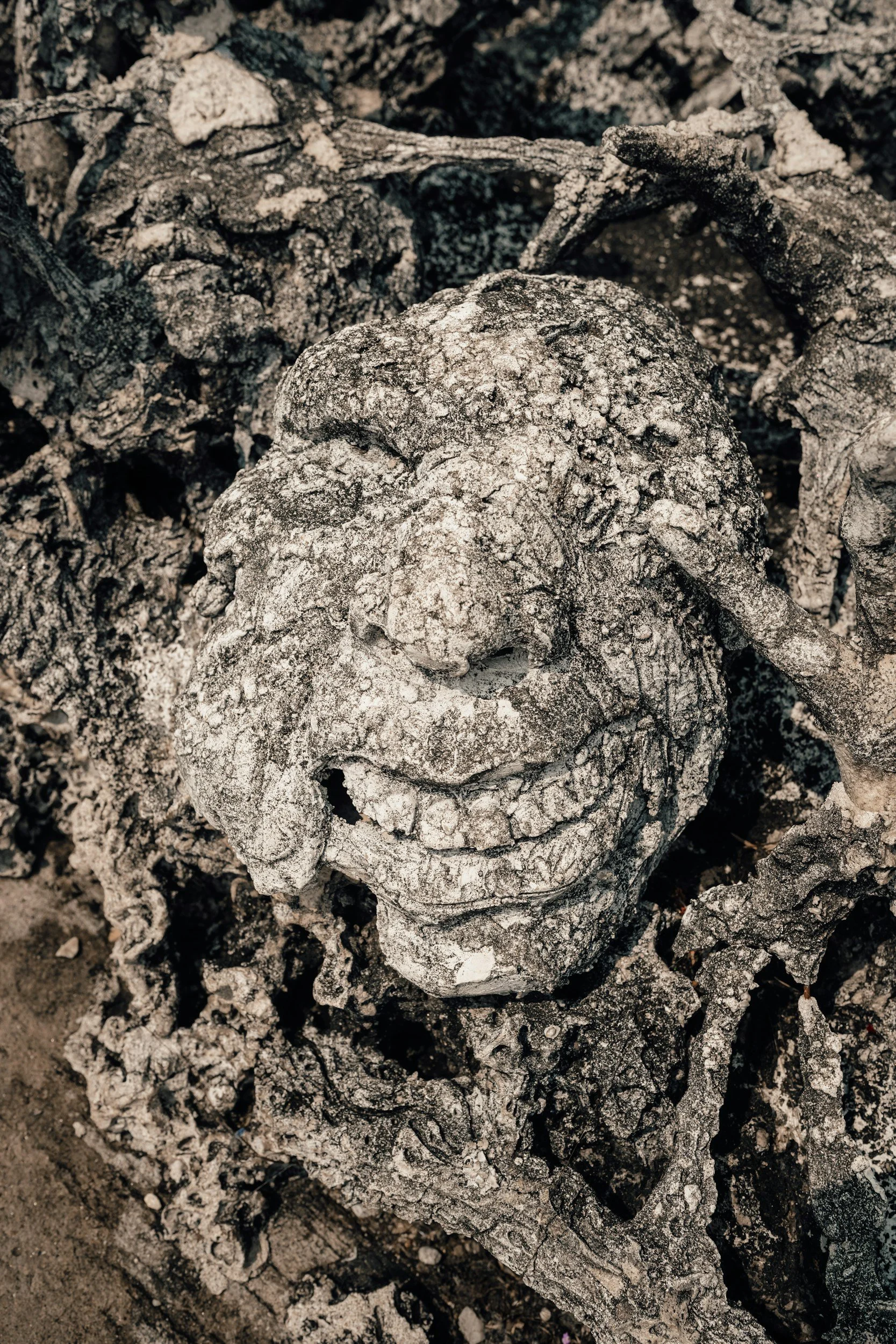
Perhaps authenticity begins when we become curious about who we are beneath the roles we learned to play.
After another disrupted night, I woke with a dream that stayed with me.
In the dream, I was driving at speed.
Fast.
Too fast.
I could barely see what was ahead of me and my breathing felt restricted. Despite this, I kept going until something larger eventually brought me to a stop.
When I woke, the symbolism felt difficult to ignore.
Lately, I have become increasingly aware of the pace at which I move through life. The expectations I place upon myself. The tendency to keep going even when another part of me is asking to slow down.
Yet the dream led me somewhere unexpected.
As I reflected on it, memories began surfacing from different periods of my childhood and adolescence.
What struck me was not the memories themselves.
It was the roles I seemed to occupy within them.
For perhaps the first time, I found myself seeing these roles not as personality traits but as adaptations.
Different responses to different environments.
Different versions of me that emerged depending on what was needed.
With my grandmother, I became a helper.
Someone who lifted, supported and worked hard to earn a place within the family. As a child caught between different generations and loyalties, I learned that being useful could create a sense of belonging.
With my father, I often became an achiever and a pleaser.
Approval felt important. Achievement sometimes felt like the safest route towards receiving it. At the same time, there were parts of me I learned to keep hidden, aspects of myself that did not always feel safe to express.
With my stepmother, I often became a listener and, at times, a mediator.
I found myself absorbing worries, frustrations and conversations that felt larger than a child should have been carrying. I learned to listen carefully and make sense of situations that were not really mine to hold.
With my mother, the role was slightly different.
I was still a listener, but I was also a helper and an adviser. Conversations often involved the challenges she was facing with relationships, family or life itself. Looking back, I can see how naturally I stepped into trying to understand, support and offer perspective.
What strikes me now is that these roles were often effective.
They helped me survive.
They helped me belong.
They helped me stay connected.
They helped me navigate relationships that were sometimes complicated and emotionally demanding.
They were not weaknesses.
They were intelligent adaptations.
What surprised me most was not simply that these roles existed.
It was that they changed depending on the relationship.
The helper in one place was different from the listener in another.
The pleaser that emerged with one person was not the same as the adviser who appeared with someone else.
For perhaps the first time, I could see these not as fixed aspects of my personality but as relational adaptations.
Responses to particular circumstances.
Responses that made sense at the time.
As I sat with this, another thought emerged.
I knew what I was doing.
Not consciously in the way I understand it now, but somewhere deep down I knew these roles were helping me survive a particular chapter of life.
Even then, I carried a strong sense that I wanted something different for myself.
I wanted freedom.
I wanted choices.
I wanted a life that felt larger than survival.
Perhaps that is why this reflection does not leave me feeling resentful towards those roles.
In many ways, I feel grateful for them.
They got me here.
The difficulty is that adaptations have a tendency to outlive the circumstances that created them.
What begins as a way of surviving can quietly become part of our identity.
Over time, we stop seeing the role.
We simply call it “who I am”.
The helper becomes who I am.
The listener becomes who I am.
The achiever becomes who I am.
The responsible one becomes who I am.
Yet recently I have begun wondering how many of these roles are still active in my life today.
I can still become the listener.
The helper.
The adviser.
The mediator.
I notice them with friends, colleagues and sometimes even strangers.
Recognising these roles does not make them false.
My capacity to listen is real.
My desire to help is genuine.
My interest in understanding people runs deep.
What I am questioning is not the authenticity of these qualities, but the extent to which they are consciously chosen.
Increasingly, I find myself noticing the difference between acting from genuine desire and acting from an old adaptation that appears automatically.
For me, this is where the need for authenticity begins.
Not with rejecting the roles.
Not with becoming someone completely different.
Many of these qualities still serve me well.
I value kindness.
I value listening.
I value helping.
I value understanding others.
The issue is not the role itself.
The issue is whether I have a choice.
Authenticity, I am beginning to suspect, is not about removing the adaptations we developed.
It is about seeing them clearly enough that they no longer operate unnoticed.
The more I understand the roles I once needed to play, the easier it becomes to ask a different question:
Who am I when I no longer need to earn my place through helping, pleasing, achieving or carrying others?
Recently, I have begun to notice what happens when I do not automatically step into the familiar roles.
There are moments when I choose not to please, rescue, explain or mediate. Moments when I allow another person to feel disappointed, frustrated or uncomfortable without rushing to make it better.
In those moments, I discover a different part of myself.
A part that has a voice.
A part that can set boundaries.
A part that can tolerate not being fully understood.
For someone who spent much of her life adapting to the needs of others, this feels less like becoming someone new and more like returning to myself.
I am beginning to realise that authenticity is not only about knowing who we are.
It is also about allowing ourselves to take up space without apologising for it.
What I am beginning to realise is that awareness creates space.
Space between the situation and the role.
Space between the invitation and the response.
Space between who we needed to be and who we are becoming.
I do not think authenticity means abandoning the parts of ourselves that once helped us survive.
I think it begins with recognising them.
Honouring them.
Understanding why they were needed.
And then gently asking whether they are still needed now.
As I reflect on all of this, I find myself less interested in the roles themselves and more interested in what lies beneath them.
Who am I when I am not helping?
Who am I when I am not carrying?
Who am I when I am not pleasing, achieving, advising or adapting?
I do not have a complete answer.
But for the first time, I feel able to see the question more clearly.
And perhaps authenticity begins there.
Not with becoming someone new.
But with becoming curious about who we have been underneath the roles all along.
🌿💛
M.A.L.I. Neuro-Somatic Practice
Reflect. Reconnect. Grow.
